Sunday, July 31, 2011


بلوچستان کے مختلف علاقوں خصوصاً کوئٹہ میں شیعہ مسلک سے تعلق رکھنے والے افراد کو ہدف بنا کر قتل کرنے کی وارداتوں میں تیزی سے اضافہ ہوا ہے

اس واقعے کے بعد مظاہرین نے گاڑیوں کو آگ لگائی اور سڑکوں پر ٹائر جلا کر سڑکیں بلاک کردیں
پاکستان کے صوبۂ بلوچستان کے دارالحکومت کوئٹہ میں گیارہ افراد کی ہلاکت کے خلاف اتوار کو ہڑتال کی جا رہی ہے۔
شیعہ مسلک سے تعلق رکھنے والے ان افراد کو سنیچر کو نامعلوم مسلح افراد نے ایک وین پر فائرنگ کر کے ہلاک کر دیا تھا۔
اس واقعے کے خلاف ہزارہ ڈیموکریٹک پارٹی نے اتوار کو شٹر ڈاؤن ہڑتال کا اعلان کیا تھا۔
کوئٹہ سے نامہ نگار ایوب ترین کے مطابق سنیچر کی صبح کوئٹہ کے علاقے اسپینی روڈ پر دو موٹر سائیکلوں پر سوار چار نامعلوم افراد نے ایک سوزوکی وین پر اندھا دھند فائرنگ کی تھی جس کے نتیجےمیں گیارہ افراد ہلاک اور تین زخمی ہو گئے تھے۔
پولیس کے مطابق ہلاک اور زخمی ہونے والے تمام افراد کا تعلق شیعہ مسلک سے ہے جو ہزارہ ٹاؤن سے ایک وین میں مری آباد جا رہے تھے۔
پولیس کے مطابق یہ مذہبی دہشت گردی اور نشانہ وار قتل کا واقعہ تھا اور لاشوں اور زخمیوں کو فوری طور پر بولان میڈیکل ہسپتال منتقل کر دیا گیا تھا۔
بلوچستان کے مختلف علاقوں خصوصاً کوئٹہ میں شیعہ مسلک سے تعلق رکھنے والے افراد کو ہدف بنا کر قتل کرنے کی وارداتوں میں تیزی سے اضافہ ہوا ہے اور جمعہ کو بھی سریاب روڈ پر نامعلوم افراد نے ایران جانے والے سات زائرین کو فائرنگ کر کے ہلاک کر دیا تھا جس کی ذمہ داری کالعدم نتظیم لشکرِ جھنگوی کے ترجمان شیر علی حیدری نے قبول کر لی تھی۔
سنیچر کو مزید گیارہ افراد کی ہلاکت کے بعد شیعہ مسلک اور ہزارہ برادری سے تعلق رکھنے والے افراد کی ایک بڑی تعداد بولان میڈیکل ہسپتال پہنچ گئی جہاں بعض مشتعل افراد نے ہسپتال کے احاطے میں کھڑی دو گاڑیوں کو نذرِ آتش کر دیا۔
اس کے علاوہ انہوں نے بروری روڈ پر ٹائر جلائے اور پتھراؤ بھی کیا جبکہ ہزارہ ٹاؤن کے علاقے میں ہوائی فائرنگ کا سلسلہ بھی جاری رہا۔
Saturday, July 2, 2011
Tuesday, June 14, 2011

Wednesday, May 25, 2011

The real agenda of the Pakistani Taliban
The real agenda of the Pakistani Taliban

This is with reference to an article by Ejaz Haider on these pages titled“What is the TTP’s real agenda?” (February 28). Pashtun society is classified into three categories: Pashtuns, Mian Mula (religious functionaries) and Kasabgars (artisans). The leadership in the society has mostly remained with the first category, the Pashtuns. In Fata, the administration and the tribal maliks derive legitimacy and authority from the written laws of the state. The role of the religious functionary is not defined in any law of the land and is restricted to the performance of some religious rituals. However, over the years, he is not content with this role and wants to be an active member of the decision-making body of Pashtun society.
This was realised when, in November 1994, madrassa students, the Taliban as they came to be known, captured Kandahar and, within two years, took control of about 90 per cent of Afghanistan. Also, the distinction between the Pakistani Pashtun Taliban and the Afghan Taliban is not clear or well-defined. This is because, over the centuries, the Pashtun on either side of the Durand Line have never accepted the border. The British were, in fact, aware of this and granted what were called ‘easement rights’ to the tribals for cross-border movement.
Similarly, events in Afghanistan affect Fata and Khyber-Pakhtunkhwa (KP). To correct the popular perception that the Taliban came to the fore in Pakistan after 9/11, in 1998 a Taliban force had appeared in the Mirali area of North Waziristan. By 1999, they were in control of Mirali and part of Orakzai Agency. Waves of Talibanisation spread to different parts of Fata and KP and, by mid-2000, the torching of video cassettes and TVs, considered as signs of obscenity, were a common sight in parts of KP. After 9/11, the Taliban kept a low profile but resurfaced around 2003.
Their agenda is Pakistan-centric and they exploited the vacuum created by the killings of maliks and the absence of the state’s writ. Since the state did not react, the ordinary tribal had no option but to accept Taliban rule. In February 2005, Baitullah Mehsud signed an agreement pledging that his forces would not cross the border to fight Nato. The Taliban of North Waziristan did the same thing in September 2006.
The agenda of the Taliban is to acquire power and to create their own state in Fata, which they will then extend to other areas of the country. Those who think that the Taliban will lay down their arms once Nato forces withdraw from Afghanistan, and will become law-abiding citizens, are not aware of the ground realities. This will not happen, unless they are forced to surrender.
Published in The Express Tribune, March 10th, 2011.
Subscribe to:
Posts (Atom)
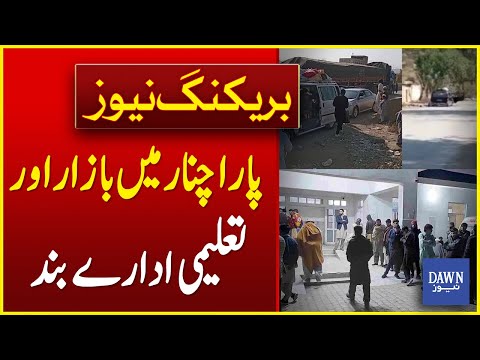
ڈان اخبار اداریہ: ’کرم کے حالات پر قابو نہ پایا گیا تو فرقہ وارانہ تنازعات ملحقہ اضلاع میں پھیل سکتے ہیں‘
خیبرپختونخوا کے قبائلی ضلع کرم میں گزشتہ چند ماہ سے صورت حال عدم استحکام کا شکار ہے، ایسے میں جمعرات کو پیش آنے والا ہولناک واقعہ حیران کُن...
-
جنرل مشرف کی نسبت جنرل کیانی زیادہ پراعتماد نظر آئے آخر کار جنرل پرویز مشرف نے آرمی چیف کا عہدہ چھوڑدیا اور پاکستان فوج کی کمان ایک گ...
-
shafiqueahmed110.com - Articals form Saleem Safi, Hamid Mir, snt Babar Awan, Imran Khan and others READ THE ARTICALS FROM VIREOUS WRITER

