Sarwan Ali-an honest man, is a retired Lance Naik from the village Malana in the outskirt of Parachinar and has been living with his wife in a single room. Not any more. Now, he is fighting for his life in Agency HQ Hospital, Parachinar, from a gunshot wound. Wounds inflicted from bombs, snipers, splinters and guns have become part of daily life in Kurrum agency mostly linked to sectarian strife. But his wound is different. He was not shot by the opposing group for his affiliation to any sect. His is a self inflicted wound. Reason?
Before the sectarian conflict, he would go to Parachinar and work on ‘Dhiari’ (daily wages) to earn enough to sustain himself and his wife. After the escalation in war, situation has changed dramatically. In a short span, the death toll has reached hundreds and the injured thousands. The prices of daily commodities have rocketed sky-high as the only road linking Parachinar with mainland Pakistan remains closed. This has paralysed the life in Parachinar, closing the markets and stopping the construction work. As a consequence, the poor are suffering the most. The days of ‘Dhiari’ are over and they, like Sarwan Ali, are jobless and with no income.
Many mornings, he went to the town expecting to earn a few rupees and every evening he came back empty handed with shattered hopes. Many nights he and his wife went to bed without proper food with bellyful of boiled leaves from the nearby ShahTut tree. He was too proud to beg and too honest to steel. He sold all their possessions, except for his rifle. In the Pukhtun culture, rifle is considered to be a man’s honour; he couldn’t sell his honour.
He returned home one evening feeling low and disheartened after another fruitless day and found his grief stricken wife shivering like a leaf. He knew it was Malaria as he saw her in that state before. But still, he put his trembling hand on her forehead; she was burning hot. He also knew she needed medicine to bring the temperature down and to treat the Malaria but this time, unlike the previous time; he didn’t have money to buy the needed medicine. The feeling of desperation hit him hard and the sense of worthlessness stabbed him deep. He couldn’t bear to see the pain on her pale face. He knew she was not only sick but also weak from lack of food. Filled with despondency, he moved to one corner, picked up his gun, loaded it and turned around to face her. Tears were rolling down her face. She knew what he was about to do. “You’re an honourable man Sarwan Ali. Do what you have to do.” She closed her eyes waiting for the end. He pointed the gun at her but could not bring himself to shoot her. He started crying like a child and for a long time, the two caring souls broke the silence with their agonising sobs. Then slowly, he eased the pressure on the trigger and started walking towards the door.
He decided to sell his honour, his gun, in Parachinar to buy medicine for his dear wife. He went to a chemist shop and offered to sell his gun and get medicine out of the price. He was told that there was no medicine because none was coming through the blocked roads from Peshawar. Sarwan pleaded with him and told him about his wife’s condition. The man felt sorry for him and handed him over two Paracetamols.
Back in the room, he gave the tablets to his wife and after a while she stopped shivering and went to sleep. He watched her sleep for a long time, then got up slowly, performed Wazu as if he was preparing for prayer; picked up his gun and without a second thought shot himself. The bullet passed through his chest.
This is the life in the war-torn Parachinar, where death is as cheap as sipping water from a stream; a town, which was known for pleasant weather and natural beauty. A town, Zulfiqar Ali Bhutto fell in love with and wanted to turn it into a settlement like Switzerland. That was the time when Shah of Iran had friendly relation with Saudi King. That was the time when Sunni-Shia misunderstandings did not change into hate. That was the time when skirmishes between Sunni and Shais remained local and were settled amicably by the administration. That was the time when Afghanistan was not taken over by Taliban. And that was the time when general Zia was still serving as army chief under ZAB.
Things changed when Shah was deposed in Iran, when Zia took over in Pakistan, when Afghanistan was invaded by the Soviets, when America supported fanatic Sunni Arabs against Soviets, and when it helped Sunni Pukhtuns against Iran. Things changed radically. America used Muslim religious sentiments for its own gains. It poured money into the pockets of Afghan Warlords with the help of general Zia and turned ‘Jihad’ into ‘Charlie Wilson’s War’ with tremendous consequences to Pakistan. It took advantage of Zia’s sectarian leanings and put Pakistan on the road to political and religious vulnerability.
It was then, when Parachinar was caught in the middle of sectarian strife. Iranian clergy started supporting the Shias in Parachinar through prominent local Shia Syeds, and the Saudi Wahabis pumped money to the local Sunni Mullahs. Sunnis fought Afghan war to oblige Saudis and Shias safeguarded Iranian interests. Soviets were defeated in Afghanistan; America won the ‘Charlie Wilson’s War’ and Pakistan a Jihad, leaving the spoils in the hands of fanatic Afghans. The spill over was bound to effect Parachinar. And it did in a big way. The beautiful town has never since returned to its previous grace.
The time rolled on. The strong corporations in America required an enemy to replace the dismembered Soviets. They found one in the garb of ‘terrorism’ creeping out of Afghanistan. It was moulded in the same outfit as their Jihadi friends in the not so distant past. Now, they needed the change of guards in Afghanistan to target it. They got lucky; the history favoured them twice; once when Musharaf sacked a democratic government of Nawaz Sharif in Pakistan; again, when the Twin Towers were brought down by the terrorists in New York. The White House didn’t need much persuasion to seek help from the dictator Musharaf who made a U-turn in Afghan policy. With change of policy the enemies changed.
Now, the Americans were not fighting the communists; they were fighting the terrorists who happened to be Muslims; and Musharaf was not fighting the infidels, he was fighting the same Muslims. In this way, the moderate Musharaf surpassed those barriers which even zealous Zia dared to tread, exposing Pakistan to massive internal turmoil.
Today, Parachinar is burning in a fire lit by zealous Zia and spread by moderate Musharaf; a fire which is different from the one seen in rest of the tribal area. It is not linked to sentiments against Pakistan army or even America. It is based on emotions against Taliban. Majority in upper Kurrum are Shia and they despise Taliban. Taliban in return, reciprocate their sentiments by sending decapitated bodies of Shias captured during their journeys to Peshawar. The Internet is full of grotesque footages. The Shia-dominated upper Kurrum is sealed by the surrounding Sunni-belt having a strong influence of Taliban. In the middle of it, Parachinar is in virtual siege with no food items, no daily commodities and no medicines. In desperation, the Shias are turning to Afghan government for help after seeing apparent apathy from Pakistan.
This is a bizarre situation, the like of which was once historically seen in early 20th century, when a prominent Shia Turi Tribe Chief, Noor Khan (alias Dur Khan) sought British help when he found Shias under siege in identical circumstances. Today they are asking Afghan government to help them against the Taliban. In the middle of this bizarre turn around, the poor people of Parachinar from both sects are slaughtered like animals in sectarian hate and others like Sarwan Ali are killing themselves for reasons other than that hate. This is Parachinar burning in a fire not lit by the locals but by those whose political and religious interests lay outside Pakistan.
The end
Saturday, August 30, 2008


Parachinar is burning By Dr Ghayur Ayub
Sarwan Ali-an honest man, is a retired Lance Naik from the village Malana in the outskirt of Parachinar and has been living with his wife in a single room. Not any more. Now, he is fighting for his life in Agency HQ Hospital, Parachinar, from a gunshot wound. Wounds inflicted from bombs, snipers, splinters and guns have become part of daily life in Kurrum agency mostly linked to sectarian strife. But his wound is different. He was not shot by the opposing group for his affiliation to any sect. His is a self inflicted wound. Reason?
Before the sectarian conflict, he would go to Parachinar and work on ‘Dhiari’ (daily wages) to earn enough to sustain himself and his wife. After the escalation in war, situation has changed dramatically. In a short span, the death toll has reached hundreds and the injured thousands. The prices of daily commodities have rocketed sky-high as the only road linking Parachinar with mainland Pakistan remains closed. This has paralysed the life in Parachinar, closing the markets and stopping the construction work. As a consequence, the poor are suffering the most. The days of ‘Dhiari’ are over and they, like Sarwan Ali, are jobless and with no income.
Many mornings, he went to the town expecting to earn a few rupees and every evening he came back empty handed with shattered hopes. Many nights he and his wife went to bed without proper food with bellyful of boiled leaves from the nearby ShahTut tree. He was too proud to beg and too honest to steel. He sold all their possessions, except for his rifle. In the Pukhtun culture, rifle is considered to be a man’s honour; he couldn’t sell his honour.
He returned home one evening feeling low and disheartened after another fruitless day and found his grief stricken wife shivering like a leaf. He knew it was Malaria as he saw her in that state before. But still, he put his trembling hand on her forehead; she was burning hot. He also knew she needed medicine to bring the temperature down and to treat the Malaria but this time, unlike the previous time; he didn’t have money to buy the needed medicine. The feeling of desperation hit him hard and the sense of worthlessness stabbed him deep. He couldn’t bear to see the pain on her pale face. He knew she was not only sick but also weak from lack of food. Filled with despondency, he moved to one corner, picked up his gun, loaded it and turned around to face her. Tears were rolling down her face. She knew what he was about to do. “You’re an honourable man Sarwan Ali. Do what you have to do.” She closed her eyes waiting for the end. He pointed the gun at her but could not bring himself to shoot her. He started crying like a child and for a long time, the two caring souls broke the silence with their agonising sobs. Then slowly, he eased the pressure on the trigger and started walking towards the door.
He decided to sell his honour, his gun, in Parachinar to buy medicine for his dear wife. He went to a chemist shop and offered to sell his gun and get medicine out of the price. He was told that there was no medicine because none was coming through the blocked roads from Peshawar. Sarwan pleaded with him and told him about his wife’s condition. The man felt sorry for him and handed him over two Paracetamols.
Back in the room, he gave the tablets to his wife and after a while she stopped shivering and went to sleep. He watched her sleep for a long time, then got up slowly, performed Wazu as if he was preparing for prayer; picked up his gun and without a second thought shot himself. The bullet passed through his chest.
This is the life in the war-torn Parachinar, where death is as cheap as sipping water from a stream; a town, which was known for pleasant weather and natural beauty. A town, Zulfiqar Ali Bhutto fell in love with and wanted to turn it into a settlement like Switzerland. That was the time when Shah of Iran had friendly relation with Saudi King. That was the time when Sunni-Shia misunderstandings did not change into hate. That was the time when skirmishes between Sunni and Shais remained local and were settled amicably by the administration. That was the time when Afghanistan was not taken over by Taliban. And that was the time when general Zia was still serving as army chief under ZAB.
Things changed when Shah was deposed in Iran, when Zia took over in Pakistan, when Afghanistan was invaded by the Soviets, when America supported fanatic Sunni Arabs against Soviets, and when it helped Sunni Pukhtuns against Iran. Things changed radically. America used Muslim religious sentiments for its own gains. It poured money into the pockets of Afghan Warlords with the help of general Zia and turned ‘Jihad’ into ‘Charlie Wilson’s War’ with tremendous consequences to Pakistan. It took advantage of Zia’s sectarian leanings and put Pakistan on the road to political and religious vulnerability.
It was then, when Parachinar was caught in the middle of sectarian strife. Iranian clergy started supporting the Shias in Parachinar through prominent local Shia Syeds, and the Saudi Wahabis pumped money to the local Sunni Mullahs. Sunnis fought Afghan war to oblige Saudis and Shias safeguarded Iranian interests. Soviets were defeated in Afghanistan; America won the ‘Charlie Wilson’s War’ and Pakistan a Jihad, leaving the spoils in the hands of fanatic Afghans. The spill over was bound to effect Parachinar. And it did in a big way. The beautiful town has never since returned to its previous grace.
The time rolled on. The strong corporations in America required an enemy to replace the dismembered Soviets. They found one in the garb of ‘terrorism’ creeping out of Afghanistan. It was moulded in the same outfit as their Jihadi friends in the not so distant past. Now, they needed the change of guards in Afghanistan to target it. They got lucky; the history favoured them twice; once when Musharaf sacked a democratic government of Nawaz Sharif in Pakistan; again, when the Twin Towers were brought down by the terrorists in New York. The White House didn’t need much persuasion to seek help from the dictator Musharaf who made a U-turn in Afghan policy. With change of policy the enemies changed.
Now, the Americans were not fighting the communists; they were fighting the terrorists who happened to be Muslims; and Musharaf was not fighting the infidels, he was fighting the same Muslims. In this way, the moderate Musharaf surpassed those barriers which even zealous Zia dared to tread, exposing Pakistan to massive internal turmoil.
Today, Parachinar is burning in a fire lit by zealous Zia and spread by moderate Musharaf; a fire which is different from the one seen in rest of the tribal area. It is not linked to sentiments against Pakistan army or even America. It is based on emotions against Taliban. Majority in upper Kurrum are Shia and they despise Taliban. Taliban in return, reciprocate their sentiments by sending decapitated bodies of Shias captured during their journeys to Peshawar. The Internet is full of grotesque footages. The Shia-dominated upper Kurrum is sealed by the surrounding Sunni-belt having a strong influence of Taliban. In the middle of it, Parachinar is in virtual siege with no food items, no daily commodities and no medicines. In desperation, the Shias are turning to Afghan government for help after seeing apparent apathy from Pakistan.
This is a bizarre situation, the like of which was once historically seen in early 20th century, when a prominent Shia Turi Tribe Chief, Noor Khan (alias Dur Khan) sought British help when he found Shias under siege in identical circumstances. Today they are asking Afghan government to help them against the Taliban. In the middle of this bizarre turn around, the poor people of Parachinar from both sects are slaughtered like animals in sectarian hate and others like Sarwan Ali are killing themselves for reasons other than that hate. This is Parachinar burning in a fire not lit by the locals but by those whose political and religious interests lay outside Pakistan.
Before the sectarian conflict, he would go to Parachinar and work on ‘Dhiari’ (daily wages) to earn enough to sustain himself and his wife. After the escalation in war, situation has changed dramatically. In a short span, the death toll has reached hundreds and the injured thousands. The prices of daily commodities have rocketed sky-high as the only road linking Parachinar with mainland Pakistan remains closed. This has paralysed the life in Parachinar, closing the markets and stopping the construction work. As a consequence, the poor are suffering the most. The days of ‘Dhiari’ are over and they, like Sarwan Ali, are jobless and with no income.
Many mornings, he went to the town expecting to earn a few rupees and every evening he came back empty handed with shattered hopes. Many nights he and his wife went to bed without proper food with bellyful of boiled leaves from the nearby ShahTut tree. He was too proud to beg and too honest to steel. He sold all their possessions, except for his rifle. In the Pukhtun culture, rifle is considered to be a man’s honour; he couldn’t sell his honour.
He returned home one evening feeling low and disheartened after another fruitless day and found his grief stricken wife shivering like a leaf. He knew it was Malaria as he saw her in that state before. But still, he put his trembling hand on her forehead; she was burning hot. He also knew she needed medicine to bring the temperature down and to treat the Malaria but this time, unlike the previous time; he didn’t have money to buy the needed medicine. The feeling of desperation hit him hard and the sense of worthlessness stabbed him deep. He couldn’t bear to see the pain on her pale face. He knew she was not only sick but also weak from lack of food. Filled with despondency, he moved to one corner, picked up his gun, loaded it and turned around to face her. Tears were rolling down her face. She knew what he was about to do. “You’re an honourable man Sarwan Ali. Do what you have to do.” She closed her eyes waiting for the end. He pointed the gun at her but could not bring himself to shoot her. He started crying like a child and for a long time, the two caring souls broke the silence with their agonising sobs. Then slowly, he eased the pressure on the trigger and started walking towards the door.
He decided to sell his honour, his gun, in Parachinar to buy medicine for his dear wife. He went to a chemist shop and offered to sell his gun and get medicine out of the price. He was told that there was no medicine because none was coming through the blocked roads from Peshawar. Sarwan pleaded with him and told him about his wife’s condition. The man felt sorry for him and handed him over two Paracetamols.
Back in the room, he gave the tablets to his wife and after a while she stopped shivering and went to sleep. He watched her sleep for a long time, then got up slowly, performed Wazu as if he was preparing for prayer; picked up his gun and without a second thought shot himself. The bullet passed through his chest.
This is the life in the war-torn Parachinar, where death is as cheap as sipping water from a stream; a town, which was known for pleasant weather and natural beauty. A town, Zulfiqar Ali Bhutto fell in love with and wanted to turn it into a settlement like Switzerland. That was the time when Shah of Iran had friendly relation with Saudi King. That was the time when Sunni-Shia misunderstandings did not change into hate. That was the time when skirmishes between Sunni and Shais remained local and were settled amicably by the administration. That was the time when Afghanistan was not taken over by Taliban. And that was the time when general Zia was still serving as army chief under ZAB.
Things changed when Shah was deposed in Iran, when Zia took over in Pakistan, when Afghanistan was invaded by the Soviets, when America supported fanatic Sunni Arabs against Soviets, and when it helped Sunni Pukhtuns against Iran. Things changed radically. America used Muslim religious sentiments for its own gains. It poured money into the pockets of Afghan Warlords with the help of general Zia and turned ‘Jihad’ into ‘Charlie Wilson’s War’ with tremendous consequences to Pakistan. It took advantage of Zia’s sectarian leanings and put Pakistan on the road to political and religious vulnerability.
It was then, when Parachinar was caught in the middle of sectarian strife. Iranian clergy started supporting the Shias in Parachinar through prominent local Shia Syeds, and the Saudi Wahabis pumped money to the local Sunni Mullahs. Sunnis fought Afghan war to oblige Saudis and Shias safeguarded Iranian interests. Soviets were defeated in Afghanistan; America won the ‘Charlie Wilson’s War’ and Pakistan a Jihad, leaving the spoils in the hands of fanatic Afghans. The spill over was bound to effect Parachinar. And it did in a big way. The beautiful town has never since returned to its previous grace.
The time rolled on. The strong corporations in America required an enemy to replace the dismembered Soviets. They found one in the garb of ‘terrorism’ creeping out of Afghanistan. It was moulded in the same outfit as their Jihadi friends in the not so distant past. Now, they needed the change of guards in Afghanistan to target it. They got lucky; the history favoured them twice; once when Musharaf sacked a democratic government of Nawaz Sharif in Pakistan; again, when the Twin Towers were brought down by the terrorists in New York. The White House didn’t need much persuasion to seek help from the dictator Musharaf who made a U-turn in Afghan policy. With change of policy the enemies changed.
Now, the Americans were not fighting the communists; they were fighting the terrorists who happened to be Muslims; and Musharaf was not fighting the infidels, he was fighting the same Muslims. In this way, the moderate Musharaf surpassed those barriers which even zealous Zia dared to tread, exposing Pakistan to massive internal turmoil.
Today, Parachinar is burning in a fire lit by zealous Zia and spread by moderate Musharaf; a fire which is different from the one seen in rest of the tribal area. It is not linked to sentiments against Pakistan army or even America. It is based on emotions against Taliban. Majority in upper Kurrum are Shia and they despise Taliban. Taliban in return, reciprocate their sentiments by sending decapitated bodies of Shias captured during their journeys to Peshawar. The Internet is full of grotesque footages. The Shia-dominated upper Kurrum is sealed by the surrounding Sunni-belt having a strong influence of Taliban. In the middle of it, Parachinar is in virtual siege with no food items, no daily commodities and no medicines. In desperation, the Shias are turning to Afghan government for help after seeing apparent apathy from Pakistan.
This is a bizarre situation, the like of which was once historically seen in early 20th century, when a prominent Shia Turi Tribe Chief, Noor Khan (alias Dur Khan) sought British help when he found Shias under siege in identical circumstances. Today they are asking Afghan government to help them against the Taliban. In the middle of this bizarre turn around, the poor people of Parachinar from both sects are slaughtered like animals in sectarian hate and others like Sarwan Ali are killing themselves for reasons other than that hate. This is Parachinar burning in a fire not lit by the locals but by those whose political and religious interests lay outside Pakistan.
کرم ایجنسی کے حالات اور حکمرانوں کی مجرمانہ غفلت تاریخ کے آیینے میں:: تین بچے ادویات کے عدم دستیابی کیوجہ سے ہسپتال میں دم توڑ گیے
ڈیڑھ سال سے زیادہ عرصہ ہوا کہ ٹل پاراچنار روڈ بند ہے اور حکمران کی مجرمانہ غفلت برت رہے ہیں کل کے تقریبا سارے نجی ٹی وی چینلز نے ایک افسوسناک خبر شایع کی کہ تین بچے ادویات کے عدم دستیابی کیوجہ سے ہسپتال میں دم توڑ گیے-افسوس کہ کسی بھی قابل ذکر صحافی نے نہ کویی دورہ کیا اور نہ ہی تیس میلین کے آبادی کے مسایل کی نشاندہی کے واسطے قلم اٹھانے کا زحمت گوارا کیا جب کویی ایک عرب جنگجو یہاں شہید ہوتا تو ہمارے نامور کالم کار بھی انکے زیارت کے لیے تشریف فرمایا کرتے تھے اور اب ان ہی شہیدوں کے سازشوں سے فرقہ ورانہ اور مذہبی کارڈ استعمال کرکے سارے ایجنسی کو اغوا کیا گیا ہے اور ایک ہزار سے زیادہ بےگناہ نوجوانوں کے سر، ہاتھ اور پیر کاٹھ کر اپنی مذہبی جنونیت کا پیاس بجھا رہے ہیں-لیکن تاریخ شاہد ہے کہ ان غیوراقوام نے مغلوں کے مظالم سے لیکر امیرمحمدخان کی سفاکیوں تک اور اب نام نہاد طالبان مجاھدین کے ناپاک عظایم کا ڈٹ کر مقابلہ کیا ہے-اور آج کے جمھوری دور میں بھی عدالت کا تو نام و نشان نہیں، انتظامیہ انکے ہمنوا، حکمران انکے ہم پیالہ لیکن ہمارا چوتھا ستون کہلانی والی صحافی برادری بھی مجرمانہ غفلت برت رہی ہے ڈیڑھ سال سے تو یہ لوگ افغانستان کا راستہ استعمال کررہے ہیں جہاں ڈیڑھ سو روپے کی بجایے پانچ ہزار سے زیادھ خرچ ہوتے ہیں لیکن کب تک؟ مجھے یہ لکھتے ہویے کویی ڈر نہیں کہ ایک دن بلوچوں کی طرح یہ بھی افغانستان میں بیٹھ کر دوسروں کے آلہ کار بننے پر مجبور ہوجایینگے اور جب انکے باپ دادا ظالم افغان حکمرانوں سے تنگ آکر ھندوستان کے ساتھ الحاق پر مجبورہویے تھے تو اب وہی تاریخ پاکستانی حکمران دوہرا رہے ہیں اللہ نہ کرے کہ جب انکے ہاتھوں میں افغانستان کے پرچم ہو کیونکہ ساٹھ سال سے تو یہ لوگ یکطرفہ پاکستان کو تسلیم کررہے ہیں اور پاکستانی حکمران ہیں کہ نہ تو بلوچوں کو حقوق دینے کیلیے تیارہیں اور نہ ہی پختونوں کی نامحرومیوں پر غور فرمانے کیلیے تیار۔۔
Sunday, August 3, 2008
کرم ایجنسی کے حالات اور حکمرانوں کی مجرمانہ غفلت تاریخ کے آیینے میں:: تین بچے ادویات کے عدم دستیابی کیوجہ سے ہسپتال میں دم توڑ گیے
ڈیڑھ سال سے زیادہ عرصہ ہوا کہ ٹل پاراچنار روڈ بند ہے اور حکمران کی مجرمانہ غفلت برت رہے ہیں کل کے تقریبا سارے نجی ٹی وی چینلز نے ایک افسوسناک خبر شایع کی کہ تین بچے ادویات کے عدم دستیابی کیوجہ سے ہسپتال میں دم توڑ گیے-افسوس کہ کسی بھی قابل ذکر صحافی نے نہ کویی دورہ کیا اور نہ ہی تیس میلین کے آبادی کے مسایل کی نشاندہی کے واسطے قلم اٹھانے کا زحمت گوارا کیا جب کویی ایک عرب جنگجو یہاں شہید ہوتا تو ہمارے نامور کالم کار بھی انکے زیارت کے لیے تشریف فرمایا کرتے تھے اور اب ان ہی شہیدوں کے سازشوں سے فرقہ ورانہ اور مذہبی کارڈ استعمال کرکے سارے ایجنسی کو اغوا کیا گیا ہے اور ایک ہزار سے زیادہ بےگناہ نوجوانوں کے سر، ہاتھ اور پیر کاٹھ کر اپنی مذہبی جنونیت کا پیاس بجھا رہے ہیں-لیکن تاریخ شاہد ہے کہ ان غیوراقوام نے مغلوں کے مظالم سے لیکر امیرمحمدخان کی سفاکیوں تک اور اب نام نہاد طالبان مجاھدین کے ناپاک عظایم کا ڈٹ کر مقابلہ کیا ہے-اور آج کے جمھوری دور میں بھی عدالت کا تو نام و نشان نہیں، انتظامیہ انکے ہمنوا، حکمران انکے ہم پیالہ لیکن ہمارا چوتھا ستون کہلانی والی صحافی برادری بھی مجرمانہ غفلت برت رہی ہے ڈیڑھ سال سے تو یہ لوگ افغانستان کا راستہ استعمال کررہے ہیں جہاں ڈیڑھ سو روپے کی بجایے پانچ ہزار سے زیادھ خرچ ہوتے ہیں لیکن کب تک؟ مجھے یہ لکھتے ہویے کویی ڈر نہیں کہ ایک دن بلوچوں کی طرح یہ بھی افغانستان میں بیٹھ کر دوسروں کے آلہ کار بننے پر مجبور ہوجایینگے اور جب انکے باپ دادا ظالم افغان حکمرانوں سے تنگ آکر ھندوستان کے ساتھ الحاق پر مجبورہویے تھے تو اب وہی تاریخ پاکستانی حکمران دوہرا رہے ہیں اللہ نہ کرے کہ جب انکے ہاتھوں میں افغانستان کے پرچم ہو کیونکہ ساٹھ سال سے تو یہ لوگ یکطرفہ پاکستان کو تسلیم کررہے ہیں اور پاکستانی حکمران ہیں کہ نہ تو بلوچوں کو حقوق دینے کیلیے تیارہیں اور نہ ہی پختونوں کی نامحرومیوں پر غور فرمانے کیلیے تیار۔۔
کرم ایجنسی کے حالات اور حکمرانوں کی مجرمانہ غفلت تاریخ کے آیینے میں:: تین بچے ادویات کے عدم دستیابی کیوجہ سے ہسپتال میں دم توڑ گیے
ڈیڑھ سال سے زیادہ عرصہ ہوا کہ ٹل پاراچنار روڈ بند ہے اور حکمران کی مجرمانہ غفلت برت رہے ہیں کل کے تقریبا سارے نجی ٹی وی چینلز نے ایک افسوسناک خبر شایع کی کہ تین بچے ادویات کے عدم دستیابی کیوجہ سے ہسپتال میں دم توڑ گیے-افسوس کہ کسی بھی قابل ذکر صحافی نے نہ کویی دورہ کیا اور نہ ہی تیس میلین کے آبادی کے مسایل کی نشاندہی کے واسطے قلم اٹھانے کا زحمت گوارا کیا جب کویی ایک عرب جنگجو یہاں شہید ہوتا تو ہمارے نامور کالم کار بھی انکے زیارت کے لیے تشریف فرمایا کرتے تھے اور اب ان ہی شہیدوں کے سازشوں سے فرقہ ورانہ اور مذہبی کارڈ استعمال کرکے سارے ایجنسی کو اغوا کیا گیا ہے اور ایک ہزار سے زیادہ بےگناہ نوجوانوں کے سر، ہاتھ اور پیر کاٹھ کر اپنی مذہبی جنونیت کا پیاس بجھا رہے ہیں-لیکن تاریخ شاہد ہے کہ ان غیوراقوام نے مغلوں کے مظالم سے لیکر امیرمحمدخان کی سفاکیوں تک اور اب نام نہاد طالبان مجاھدین کے ناپاک عظایم کا ڈٹ کر مقابلہ کیا ہے-اور آج کے جمھوری دور میں بھی عدالت کا تو نام و نشان نہیں، انتظامیہ انکے ہمنوا، حکمران انکے ہم پیالہ لیکن ہمارا چوتھا ستون کہلانی والی صحافی برادری بھی مجرمانہ غفلت برت رہی ہے ڈیڑھ سال سے تو یہ لوگ افغانستان کا راستہ استعمال کررہے ہیں جہاں ڈیڑھ سو روپے کی بجایے پانچ ہزار سے زیادھ خرچ ہوتے ہیں لیکن کب تک؟ مجھے یہ لکھتے ہویے کویی ڈر نہیں کہ ایک دن بلوچوں کی طرح یہ بھی افغانستان میں بیٹھ کر دوسروں کے آلہ کار بننے پر مجبور ہوجایینگے اور جب انکے باپ دادا ظالم افغان حکمرانوں سے تنگ آکر ھندوستان کے ساتھ الحاق پر مجبورہویے تھے تو اب وہی تاریخ پاکستانی حکمران دوہرا رہے ہیں اللہ نہ کرے کہ جب انکے ہاتھوں میں افغانستان کے پرچم ہو کیونکہ ساٹھ سال سے تو یہ لوگ یکطرفہ پاکستان کو تسلیم کررہے ہیں اور پاکستانی حکمران ہیں کہ نہ تو بلوچوں کو حقوق دینے کیلیے تیارہیں اور نہ ہی پختونوں کی نامحرومیوں پر غور فرمانے کیلیے تیار۔۔
Monday, July 28, 2008
Taliban exploit sectarian rift in Pakistan siege
By Jane Perlez and Pir Zubair Shah
Published: July 26, 2008
PESHAWAR, Pakistan: It was once known as the Parrot's Beak, a strategic jut of Pakistan that the American-backed mujahedeen used to carry out raids on the Russians just over the border into Afghanistan. That was during the cold war.Now the area, around the town of Parachinar, is near the center of the new kind of struggle. The Taliban has inflamed and exploited a long-running sectarian conflict that has left the town under siege.The Taliban, which have solidified control across Pakistan's tribal zone and are seeking new staging grounds to attack American soldiers in Afghanistan, have sided with fellow Sunni Muslims against an enclave of Shiites settled in Parachinar for centuries. The population of about 55,000 is short of food. The fruit crop is rotting, residents say, and the cost of a 66-pound bag of flour has skyrocketed to $100.And, in a mini-conflict that yet again demonstrates the growing influence of the Taliban and the Pakistan government's lack of control over this highly sensitive border area, young and old, wounded and able-bodied, have become refugees in their own land.Thousands of displaced Shiites from Parachinar are scattered among relatives in Peshawar, capital of North-West Frontier Province, which abuts the tribal areas, and in hotels and shelters where images of Iranian religious leaders decorate the halls.Last month, a Pakistani government relief convoy loaded with food and medicines that had been sent to break the siege was attacked by the Taliban at the village of Pir Qayyum. Many of the 22 vehicles were burned and 12 drivers were killed by the Taliban, according to government officials here and Shiites.And little seems to be hindering the Taliban since the army, six months ago, agreed to a peace deal with the leader of the Pakistani Taliban, Baitullah Mehsud, and has remained in its barracks.Groups of Taliban affiliated with Mehsud, who according to the Bush administration is supported by Al Qaeda, now control wide swaths of the tribal areas, from Waziristan in the south to Bajur in the north.From some parts of the tribal areas, like Waziristan and Mohmand, the Taliban have stepped up their operations into Afghanistan against NATO and American soldiers, cross-border attacks that have resulted in rising casualties for coalition forces over the last two months, the Bush administration said.In Kurram, the general area where Parachinar is located, the Taliban are a relatively new phenomenon, exploiting the generations-old sectarian conflict as a way of keeping the government out of the strategically important piece of territory, the senior government official in Kurram, Azam Khan, who serves as the political agent and who organized the June convoy, said in an interview.But Shiites say the Taliban are doing more than just keeping the government at bay. They say that because they are stopping the militants from entering Afghanistan, the Taliban are attacking them.The situation has attracted the attention of the leading Shiite figure of Iraq, Grand Ayatollah Ali al-Sistani, who has encouraged all Shiites in Pakistan to do what they can to help their brethren in Parachinar, said Sheik Mohammed Shifah Alnajafi, the deputy representative of Ayatollah Sistani in Pakistan, and the vice principal of a Shiite seminary in the capital, Islamabad.About 80 percent of Pakistan's overwhelmingly Muslim population is Sunni, and about 20 percent Shiite. In Kurram as a whole, the two sects are almost evenly divided, with Parachinar almost entirely Shiite, according to figures from the secretariat of the Federally Administered Tribal Areas, the body that loosely oversees the tribal region.The origins of the siege reach back to April 2007, when sectarian violence between Shiites and Sunnis flared over provocative remarks made by a Sunni of Wahhabi beliefs against historical Shiite figures, said Muhammad Amin Shaheedi, the director of the Islamic Research Council in Islamabad, and a leader of the Shiite community in Pakistan.But unlike previous bouts of sectarian violence that were settled by mediation after a few days, the tensions mounted, exacerbated by the Taliban, who sided with some of the Sunni, he said.Then, last Nov. 16, the tensions exploded in a day of extraordinary violence in Parachinar and surrounding villages, including mortar fire between Sunni mosques and Shiite mosques, said M. B. Bangash, a Shiite businessman from Parachinar who has taken refuge in Peshawar.In contrast to other parts of the tribal areas, the Pakistani Army has had a garrison in Parachinar for decades, but it failed to stop the violence, he said. "The government is indifferent," Bangash said.Some of the moderate Sunni families in Parachinar, who had often helped Shiites in conflicts, were attacked in the November fighting by extremist Shiites and were forced to flee, according to Khan, a well-regarded political agent who was appointed last month to the area in an effort by the government to reduce tensions. This left the general Shiite population feeling more vulnerable to the Taliban, he said.But the ambush of the convoy last month proved the power of the Taliban, the displaced Shiites in Peshawar said.A driver of one of the trucks who survived, Asif Hussain, described being captured at Pir Qayyum, taken to a Taliban training camp in the village of Shasho, interrogated and then released after convincing his captors that he was not Shiite, but Sunni."At the camp, the Taliban killed eight other drivers because they were Shia," said Hussain, 33, in a telephone interview from Parachinar.An official of the Pakistan Peoples Party from Parachinar, Mirza Jihadi, confirmed the existence of the Shasho camp, which, he said, is at a place where Afghan refugees used to live and is now controlled by loyalists of Mehsud, the head of the Pakistani Taliban.The displaced in Peshawar told stories of growing hardship at home, and they complained bitterly of the failure of the government to help."I want to go home but the government does not provide any transportation," said Mohib Ali, 45, at a hotel here, as he nursed a bandaged right arm that was wounded, he said, in fighting.He had spent the previous day at the Peshawar airport hoping to board a military helicopter that he had been told would take civilians back to Parachinar. But instead, he said, it filled up with soldiers returning after leave, and a few favored others with good contacts.The army garrison in the town had done little to help, and had failed to organize major food supplies, said Haji Gulab Hussain, a retired government official who leads a Shiite tribal council."The lower-ranking soldiers are ready for any action," he said. "But the army is supporting the Taliban. There are no orders." During the November violence, he said, "The army did nothing."Parachinar has prided itself on the best education in the tribal areas since the British colonial era, so the closing of schools since the violence began is a special blow, some of the displaced said. Teachers were too afraid to travel, they said.The one hospital in Parachinar was left with only a few nurses. Basic medicines, including anesthesia equipment and oxygen, were depleted, according to a medic reached by telephone.Killings have demoralized the population. In the village of Bilyamin, 22 miles south of Parachinar, two students walking to their matriculation exams were shot dead by the Taliban, Bangash said.Some solace was coming from Afghanistan, the refugees said. A schoolboy, Ashfaq Hussain, 12, arrived in Peshawar on Tuesday after a two-day journey by car through Afghanistan to enroll at Islamia Collegiate School, a prestigious school here."We can go through Afghanistan without a visa, it's a help," said his father, Sabir Hussain.But his son's travel to Peshawar by car via Afghanistan cost the equivalent of $50 over two days instead of the usual $3 by bus in about five hours, he said.Much of the vegetable crop of potatoes and tomatoes that is normally sold to markets in the heart of Pakistan was now being sent to Kabul, Bangash said. More perishable fruits were wasted.After the disaster of the June convoy, Khan, the political agent, said he had a new plan to try to persuade moderate tribesmen, both Sunni and Shiite, who were now weary of the violence, to allow the opening of the 45-mile road that runs from the town of Thal along a deep, wide valley up to Parachinar."It's been an intense year of warfare," he said. "Both sides are fed up."In Islamabad, Jihadi said the Interior Ministry had promised Wednesday to resume flights by the government airline, Pakistan International Airways, to the airstrip in Parachinar, which had been abandoned long ago.To try to quash the Taliban, the ministry would try to urge the local tribes to form small armies, known as lashkar, he said. The ministry was also offering financial rewards, he said, to local people if they killed a Taliban leader.But whether the army would take a role in the efforts to find a solution, appeared to remain an open question.
Published: July 26, 2008
PESHAWAR, Pakistan: It was once known as the Parrot's Beak, a strategic jut of Pakistan that the American-backed mujahedeen used to carry out raids on the Russians just over the border into Afghanistan. That was during the cold war.Now the area, around the town of Parachinar, is near the center of the new kind of struggle. The Taliban has inflamed and exploited a long-running sectarian conflict that has left the town under siege.The Taliban, which have solidified control across Pakistan's tribal zone and are seeking new staging grounds to attack American soldiers in Afghanistan, have sided with fellow Sunni Muslims against an enclave of Shiites settled in Parachinar for centuries. The population of about 55,000 is short of food. The fruit crop is rotting, residents say, and the cost of a 66-pound bag of flour has skyrocketed to $100.And, in a mini-conflict that yet again demonstrates the growing influence of the Taliban and the Pakistan government's lack of control over this highly sensitive border area, young and old, wounded and able-bodied, have become refugees in their own land.Thousands of displaced Shiites from Parachinar are scattered among relatives in Peshawar, capital of North-West Frontier Province, which abuts the tribal areas, and in hotels and shelters where images of Iranian religious leaders decorate the halls.Last month, a Pakistani government relief convoy loaded with food and medicines that had been sent to break the siege was attacked by the Taliban at the village of Pir Qayyum. Many of the 22 vehicles were burned and 12 drivers were killed by the Taliban, according to government officials here and Shiites.And little seems to be hindering the Taliban since the army, six months ago, agreed to a peace deal with the leader of the Pakistani Taliban, Baitullah Mehsud, and has remained in its barracks.Groups of Taliban affiliated with Mehsud, who according to the Bush administration is supported by Al Qaeda, now control wide swaths of the tribal areas, from Waziristan in the south to Bajur in the north.From some parts of the tribal areas, like Waziristan and Mohmand, the Taliban have stepped up their operations into Afghanistan against NATO and American soldiers, cross-border attacks that have resulted in rising casualties for coalition forces over the last two months, the Bush administration said.In Kurram, the general area where Parachinar is located, the Taliban are a relatively new phenomenon, exploiting the generations-old sectarian conflict as a way of keeping the government out of the strategically important piece of territory, the senior government official in Kurram, Azam Khan, who serves as the political agent and who organized the June convoy, said in an interview.But Shiites say the Taliban are doing more than just keeping the government at bay. They say that because they are stopping the militants from entering Afghanistan, the Taliban are attacking them.The situation has attracted the attention of the leading Shiite figure of Iraq, Grand Ayatollah Ali al-Sistani, who has encouraged all Shiites in Pakistan to do what they can to help their brethren in Parachinar, said Sheik Mohammed Shifah Alnajafi, the deputy representative of Ayatollah Sistani in Pakistan, and the vice principal of a Shiite seminary in the capital, Islamabad.About 80 percent of Pakistan's overwhelmingly Muslim population is Sunni, and about 20 percent Shiite. In Kurram as a whole, the two sects are almost evenly divided, with Parachinar almost entirely Shiite, according to figures from the secretariat of the Federally Administered Tribal Areas, the body that loosely oversees the tribal region.The origins of the siege reach back to April 2007, when sectarian violence between Shiites and Sunnis flared over provocative remarks made by a Sunni of Wahhabi beliefs against historical Shiite figures, said Muhammad Amin Shaheedi, the director of the Islamic Research Council in Islamabad, and a leader of the Shiite community in Pakistan.But unlike previous bouts of sectarian violence that were settled by mediation after a few days, the tensions mounted, exacerbated by the Taliban, who sided with some of the Sunni, he said.Then, last Nov. 16, the tensions exploded in a day of extraordinary violence in Parachinar and surrounding villages, including mortar fire between Sunni mosques and Shiite mosques, said M. B. Bangash, a Shiite businessman from Parachinar who has taken refuge in Peshawar.In contrast to other parts of the tribal areas, the Pakistani Army has had a garrison in Parachinar for decades, but it failed to stop the violence, he said. "The government is indifferent," Bangash said.Some of the moderate Sunni families in Parachinar, who had often helped Shiites in conflicts, were attacked in the November fighting by extremist Shiites and were forced to flee, according to Khan, a well-regarded political agent who was appointed last month to the area in an effort by the government to reduce tensions. This left the general Shiite population feeling more vulnerable to the Taliban, he said.But the ambush of the convoy last month proved the power of the Taliban, the displaced Shiites in Peshawar said.A driver of one of the trucks who survived, Asif Hussain, described being captured at Pir Qayyum, taken to a Taliban training camp in the village of Shasho, interrogated and then released after convincing his captors that he was not Shiite, but Sunni."At the camp, the Taliban killed eight other drivers because they were Shia," said Hussain, 33, in a telephone interview from Parachinar.An official of the Pakistan Peoples Party from Parachinar, Mirza Jihadi, confirmed the existence of the Shasho camp, which, he said, is at a place where Afghan refugees used to live and is now controlled by loyalists of Mehsud, the head of the Pakistani Taliban.The displaced in Peshawar told stories of growing hardship at home, and they complained bitterly of the failure of the government to help."I want to go home but the government does not provide any transportation," said Mohib Ali, 45, at a hotel here, as he nursed a bandaged right arm that was wounded, he said, in fighting.He had spent the previous day at the Peshawar airport hoping to board a military helicopter that he had been told would take civilians back to Parachinar. But instead, he said, it filled up with soldiers returning after leave, and a few favored others with good contacts.The army garrison in the town had done little to help, and had failed to organize major food supplies, said Haji Gulab Hussain, a retired government official who leads a Shiite tribal council."The lower-ranking soldiers are ready for any action," he said. "But the army is supporting the Taliban. There are no orders." During the November violence, he said, "The army did nothing."Parachinar has prided itself on the best education in the tribal areas since the British colonial era, so the closing of schools since the violence began is a special blow, some of the displaced said. Teachers were too afraid to travel, they said.The one hospital in Parachinar was left with only a few nurses. Basic medicines, including anesthesia equipment and oxygen, were depleted, according to a medic reached by telephone.Killings have demoralized the population. In the village of Bilyamin, 22 miles south of Parachinar, two students walking to their matriculation exams were shot dead by the Taliban, Bangash said.Some solace was coming from Afghanistan, the refugees said. A schoolboy, Ashfaq Hussain, 12, arrived in Peshawar on Tuesday after a two-day journey by car through Afghanistan to enroll at Islamia Collegiate School, a prestigious school here."We can go through Afghanistan without a visa, it's a help," said his father, Sabir Hussain.But his son's travel to Peshawar by car via Afghanistan cost the equivalent of $50 over two days instead of the usual $3 by bus in about five hours, he said.Much of the vegetable crop of potatoes and tomatoes that is normally sold to markets in the heart of Pakistan was now being sent to Kabul, Bangash said. More perishable fruits were wasted.After the disaster of the June convoy, Khan, the political agent, said he had a new plan to try to persuade moderate tribesmen, both Sunni and Shiite, who were now weary of the violence, to allow the opening of the 45-mile road that runs from the town of Thal along a deep, wide valley up to Parachinar."It's been an intense year of warfare," he said. "Both sides are fed up."In Islamabad, Jihadi said the Interior Ministry had promised Wednesday to resume flights by the government airline, Pakistan International Airways, to the airstrip in Parachinar, which had been abandoned long ago.To try to quash the Taliban, the ministry would try to urge the local tribes to form small armies, known as lashkar, he said. The ministry was also offering financial rewards, he said, to local people if they killed a Taliban leader.But whether the army would take a role in the efforts to find a solution, appeared to remain an open question.
Subscribe to:
Posts (Atom)
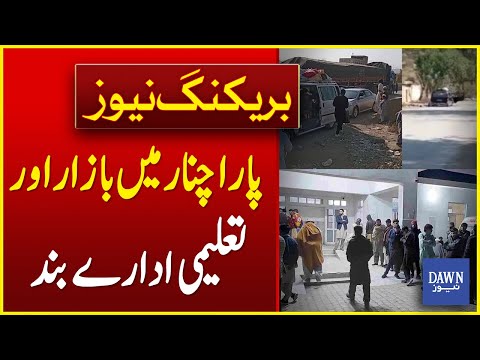
ڈان اخبار اداریہ: ’کرم کے حالات پر قابو نہ پایا گیا تو فرقہ وارانہ تنازعات ملحقہ اضلاع میں پھیل سکتے ہیں‘
خیبرپختونخوا کے قبائلی ضلع کرم میں گزشتہ چند ماہ سے صورت حال عدم استحکام کا شکار ہے، ایسے میں جمعرات کو پیش آنے والا ہولناک واقعہ حیران کُن...
-
جنرل مشرف کی نسبت جنرل کیانی زیادہ پراعتماد نظر آئے آخر کار جنرل پرویز مشرف نے آرمی چیف کا عہدہ چھوڑدیا اور پاکستان فوج کی کمان ایک گ...
-
خیبرپختونخوا کے قبائلی ضلع کرم میں گزشتہ چند ماہ سے صورت حال عدم استحکام کا شکار ہے، ایسے میں جمعرات کو پیش آنے والا ہولناک واقعہ حیران کُن...


